The Dooars Tea Belt: What Makes North Bengal's Tea Region Unique
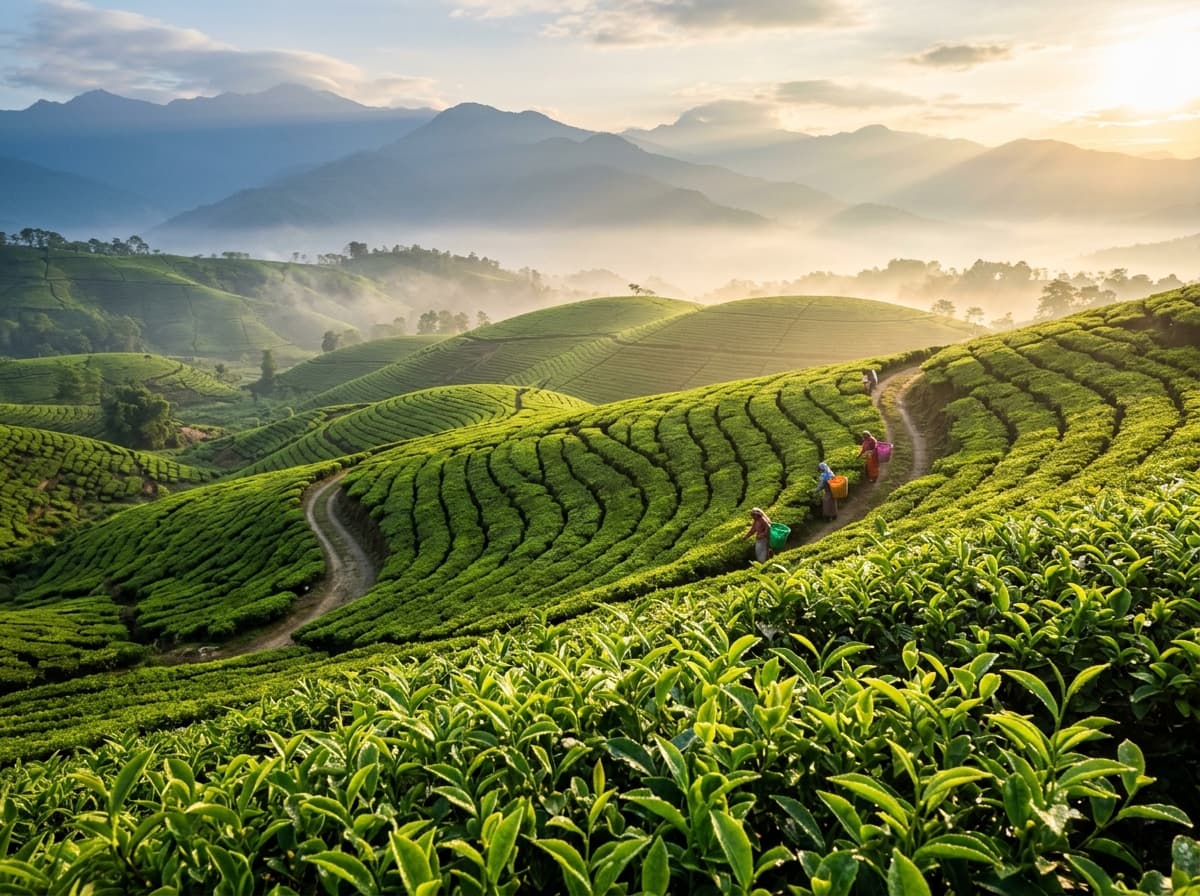
Nestled between the Himalayan foothills and the Brahmaputra plains, the alluvial soil and microclimate create the signature briskness of Dooars tea.
Biplab Saha
Co-Founder, Teji Cha • Berubari, West Bengal
🍃Key Takeaways
- ✓The Dooars region stretches across the plains of Jalpaiguri, Alipurduar, and Cooch Behar.
- ✓Heavy subtropical rainfall and alluvial Himalayan runoff nourish deep-rooted tea bushes.
- ✓Dooars teas are celebrated for full-bodied maltiness, bright red liquor, and smooth drinkability.
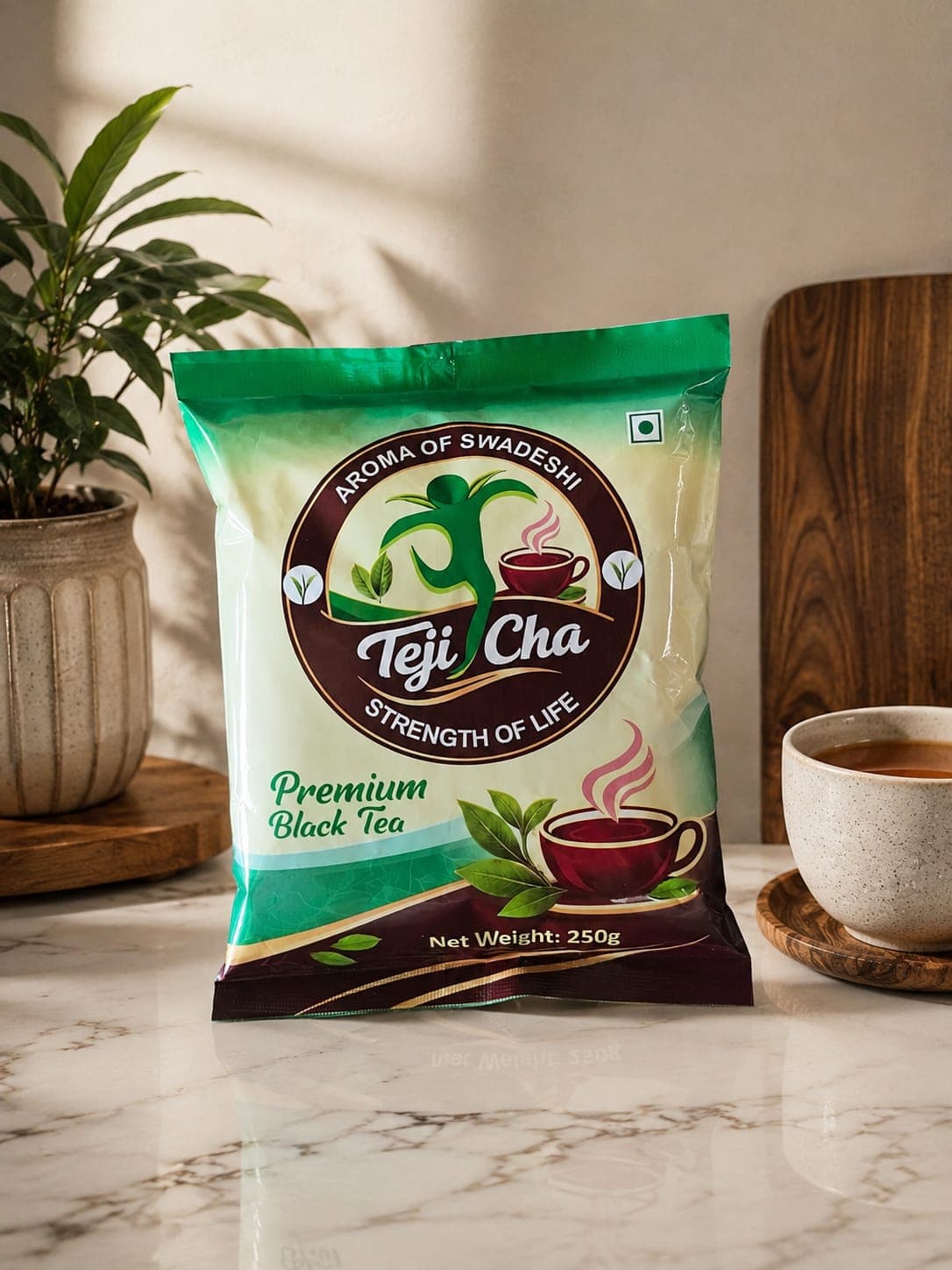
- ✓Teji Cha sources and packages its tea directly in Berubari, Jalpaiguri.
Where the Mountains Meet the Plains
The word "Dooars" derives from "Dwar" — meaning door or gateway in Bengali and Hindi. It represents the historical gateway to Bhutan and the northeastern Himalayas. Spanning the fertile floodplains of the Teesta and Torsa rivers in Jalpaiguri, this lush tea corridor produces some of the most dependable and hearty black teas on earth.
While neighboring Darjeeling perches on high alpine ridges producing light, muscatel liquors, the Dooars rests lower in the foothills. Here, warm tropical temperatures and torrential monsoon rains stimulate vigorous, dense growth in the tea bushes.
The Soil and Seasonality
The soil in the Dooars is enriched by alluvial deposits washed down from the Himalayas over thousands of years. This loam is deep, acidic, and extraordinarily rich in organic matter.
During the second flush (May to June) and autumn flush (October to November), the bushes produce robust flushes with deep red liquors and sweet, biscuity undertones that define North Bengal chai culture.
The Heart of Everyday Chai Culture
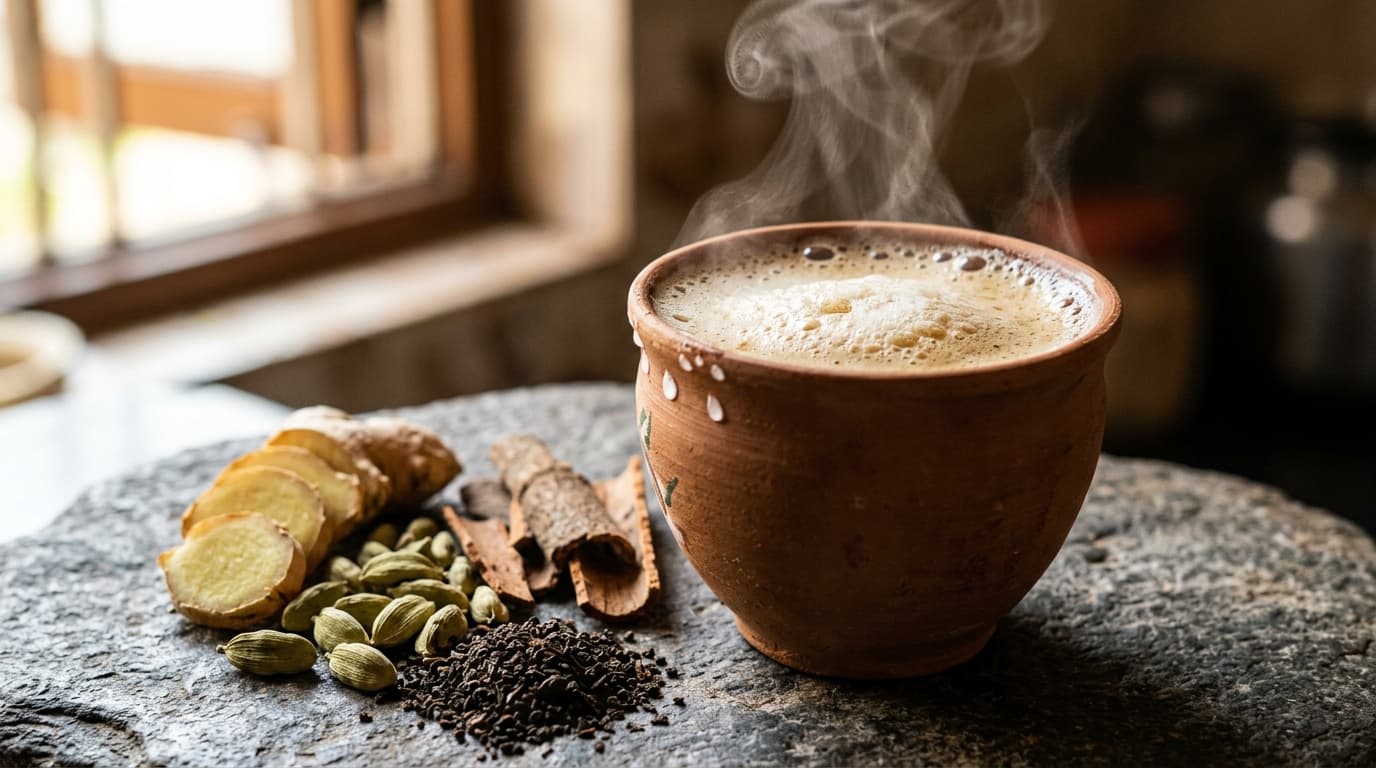
Every bustling tea stall from Siliguri to Kolkata relies on Dooars CTC. Its defining quality is reliability — it holds up under rolling heat, blends smoothly with local dairy, and never turns unpleasantly bitter.